Travel insurance is your essential safeguard abroad, providing a protective shield against the unpredictable nature of travel. From sudden medical emergencies to trip cancellations, having the right coverage can alleviate financial stress and ensure a smoother journey. Understanding the intricacies of travel insurance can empower travelers to navigate the complexities of international trips with confidence, knowing they are prepared for the unexpected.
In this guide, we will explore why travel insurance is crucial, the various types of coverage available, how to select the right plan, and the claims process you may encounter. Each aspect will highlight the importance of being well-informed, so that your adventures can remain enjoyable and worry-free.
Importance of Travel Insurance

Traveling abroad is an exciting adventure that opens up new experiences, cultures, and opportunities. However, it also comes with inherent risks that can lead to unexpected financial burdens. Travel insurance plays a vital role in safeguarding travelers against these uncertainties, ensuring peace of mind throughout the journey. It is essential to recognize the unpredictable nature of travel and the importance of being prepared for any eventualities.
Unexpected events during travel can range from minor inconveniences to significant emergencies, all of which can lead to unexpected financial strains. Without travel insurance, you may find yourself shouldering the costs of medical expenses, trip cancellations, lost luggage, or emergency evacuations. For instance, a medical emergency abroad could result in exorbitant hospital bills, potentially reaching thousands of dollars. In such situations, travel insurance can cover these costs, alleviating the financial burden and allowing you to focus on recovery rather than expenses.
Common Situations Where Travel Insurance is Beneficial
Travel insurance can prove invaluable in a variety of scenarios. Understanding these situations helps travelers appreciate the protective benefits it offers. Below are some common examples:
- Medical Emergencies: In the event of an illness or injury while overseas, travel insurance can cover medical expenses, including hospital stays, surgeries, and medications. For example, a traveler who suffers a broken leg on a skiing trip may incur significant costs for treatment and rehabilitation, all of which could be covered by insurance.
- Trip Cancellations: If unforeseen circumstances arise, such as a family emergency or natural disaster, travel insurance can reimburse non-refundable expenses like flights and accommodations. For instance, if a traveler has to cancel a pre-paid trip due to illness, the insurance can help mitigate the loss.
- Lost or Stolen Luggage: Travel insurance often includes coverage for lost or stolen belongings, compensating travelers for essential items. Imagine arriving at your destination only to discover your luggage is missing; insurance can help you purchase necessary clothing and toiletries.
- Flight Delays or Cancellations: Travel insurance can provide reimbursement for additional expenses incurred due to delays or cancellations, including meals and accommodations. A traveler whose flight is canceled due to weather may face unexpected costs, which insurance can help cover.
- Emergency Evacuations: In extreme situations, such as political unrest or natural disasters, travel insurance can arrange and cover emergency evacuations back to safety. This can be crucial for travelers caught in unexpected turmoil.
Travel insurance is not just an option; it is a necessity for any traveler seeking to mitigate risks associated with unforeseen circumstances.
Types of Travel Insurance Coverage

Travel insurance is a crucial aspect of trip planning, providing protection against unforeseen events that can disrupt travel plans. Understanding the various types of coverage available can help travelers choose a policy that best suits their needs. Each type offers unique benefits and is designed to address different risks associated with travel.
Overview of Types of Travel Insurance
There are several types of travel insurance that cater to various concerns travelers may face. This includes coverage for medical emergencies, trip cancellations, lost baggage, and much more. Each type of insurance has distinct characteristics and benefits that play an essential role in securing peace of mind while traveling.
Common Types of Travel Insurance Coverage
When evaluating travel insurance options, it’s important to consider which types of coverage meet your specific needs. Below are the most common types:
- Medical Coverage: This type of insurance covers medical expenses incurred while traveling, including hospital stays, emergency treatments, and sometimes even evacuation. It is especially crucial for international travel where health care standards may differ.
- Trip Cancellation Insurance: This coverage reimburses travelers for non-refundable expenses if they need to cancel their trip due to specific covered reasons, such as illness, death in the family, or natural disasters.
- Lost Luggage Insurance: This type protects travelers against financial losses due to lost, stolen, or damaged luggage. It can cover the cost of replacing essential items and personal belongings.
- Travel Delay Insurance: This coverage compensates travelers for additional expenses incurred due to delays, such as accommodation and meals during an unexpected layover.
- Accidental Death and Dismemberment Insurance: This insurance provides a benefit in case of serious accidents resulting in death or loss of limbs while traveling.
Comprehensive vs. Basic Coverage
Travel insurance policies generally fall into two categories: comprehensive and basic coverage. Each has its advantages, and understanding these can help in making an informed decision.
| Coverage Type | Comprehensive Coverage | Basic Coverage |
|---|---|---|
| Medical Coverage | Extensive medical expenses included | Limited medical coverage |
| Trip Cancellation | Broad range of covered reasons | Fewer reasons covered |
| Loss of Luggage | Higher reimbursement limits | Lower reimbursement limits |
| Travel Delay | Includes meals and accommodation | No coverage or minimal coverage |
| Accidental Death and Dismemberment | Higher payouts | Lower payouts |
This table highlights the differences between comprehensive and basic travel insurance. While comprehensive coverage provides extensive benefits and is ideal for frequent travelers or those with higher risks, basic coverage may suffice for those looking for minimum protection at a lower cost.
“Choosing the right type of travel insurance is essential for safeguarding against unpredictable challenges that can arise during your journey.”
How to Choose the Right Travel Insurance
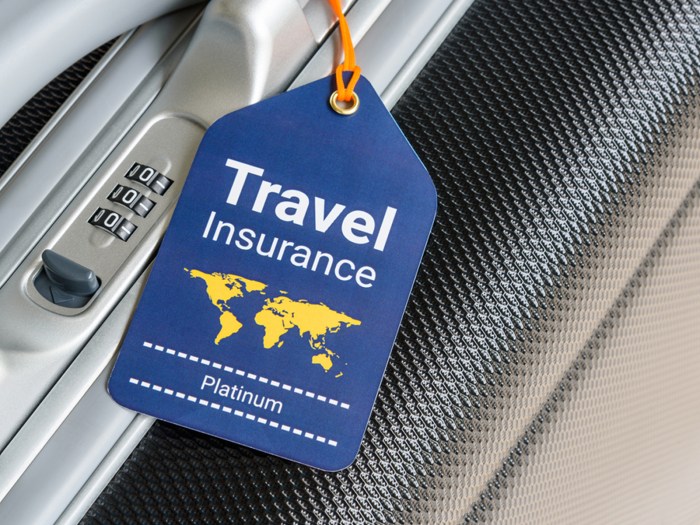
Selecting the right travel insurance can feel overwhelming, yet it is crucial for safeguarding your journey. With so many options available, understanding essential factors can simplify the decision-making process and ensure you choose a plan that meets your specific needs.
When selecting a travel insurance plan, travelers should consider key factors such as coverage options, policy limits, pricing, and the reliability of the insurance provider. Understanding these elements will help you identify a policy that aligns with your travel plans and personal requirements.
Key Factors to Consider
Identifying the right travel insurance starts with understanding what is vital for your trip. Here are essential factors that can influence your decision:
- Coverage Scope: Ensure the policy covers the specific risks associated with your destination, including medical emergencies, trip cancellations, and lost luggage.
- Policy Limits: Review the maximum coverage limits for different types of claims, such as medical expenses or trip interruption. Ensure they are sufficient for your travel plans.
- Premium Costs: Compare the costs of various policies. While price is important, it should not compromise the quality and breadth of coverage.
- Provider Reputation: Research the insurance provider’s reputation and customer service record. Look for reviews and ratings that reflect their reliability in handling claims.
- Claim Process: Understand how claims are processed. A straightforward and transparent claims process can alleviate stress during emergencies.
Significance of Reading Policy Details and Exclusions
Reading through the policy details carefully is crucial to avoid surprises. Travelers must pay close attention to the exclusions listed in the policy, as these define scenarios that are not covered by the insurance.
“Understanding policy exclusions can save you from potential financial loss during unexpected situations.”
Common exclusions may include pre-existing medical conditions, certain high-risk activities, or situations involving alcohol or drug use. Recognizing these limitations allows you to make informed decisions about whether additional coverage might be necessary.
Insurance Provider Evaluation Checklist
To evaluate different insurance providers, use the following checklist to facilitate your assessment:
- Does the provider have a strong financial stability rating from independent agencies?
- Are customer reviews generally positive, particularly regarding claims handling?
- Does the policy include 24/7 assistance for emergencies?
- What types of additional coverage options are available (e.g., for adventure sports, rental car insurance)?
- Is there a cooling-off period during which you can cancel the policy without penalty?
Claims Process for Travel Insurance
Filing a claim with a travel insurance company is a critical step in recovering costs related to unexpected incidents during your journey. Understanding the claims process can significantly alleviate stress during challenging times. This section will guide you through the necessary steps to take when filing a claim, common hurdles you might face, and the essential documentation required for a successful claim.
Steps Involved in Filing a Claim, Travel insurance
Navigating the claims process involves several key steps that ensure your claim is processed efficiently. Here are the primary steps to follow:
- Notify the Insurance Provider: As soon as an incident occurs, contact your travel insurance provider to inform them about the situation. Most companies have a dedicated claims hotline available 24/7.
- Gather Relevant Information: Collect all necessary details related to the incident, including dates, locations, and any witnesses.
- Complete the Claims Form: Fill out the claims form provided by your insurance company. Ensure all information is accurate and comprehensive to avoid delays.
- Submit Required Documentation: Along with the claims form, submit all requisite documentation (discussed further below).
- Follow Up: After submission, monitor the status of your claim by contacting the claims department regularly.
Challenges During the Claims Process
Travelers often encounter several challenges while filing claims. Awareness of these issues can help mitigate problems:
“The claims process can be complex and often requires patience and persistence.”
Common challenges include:
- Insufficient Documentation: Claims may be denied if required documents are missing. It’s crucial to know what to submit.
- Delayed Responses: Some claims can take time to process, leading to frustration. Regular follow-up can help expedite this.
- Miscommunication: Confusion regarding policy details or claims procedures can occur; always clarify with your insurer.
Required Documentation for Successful Claims
Providing the correct documentation is vital for the success of your claim. Each insurance company may have specific requirements, but common documentation includes:
- Proof of Payment: Receipts for expenses incurred due to the incident, such as medical bills or accommodation fees.
- Incident Report: This could be a police report, airline report, or any official documentation relevant to the claim.
- Medical Records: If the claim is health-related, include medical records that substantiate your treatment.
- Travel Itinerary: A copy of your travel itinerary can help validate your claim context.
- Claim Form: The completed claims form provided by your travel insurance company.
Understanding the claims process and preparing the required documentation ahead of time can save you from unnecessary stress during your travels. The more organized you are, the smoother the experience will be when seeking reimbursement for covered incidents.
Helpful Answers: Travel Insurance
What does travel insurance typically cover?
Travel insurance usually covers medical emergencies, trip cancellations, lost luggage, and travel delays, among other unexpected events.
Is travel insurance worth the cost?
Yes, especially if you are traveling internationally, as it can save you significant expenses in case of emergencies or unexpected changes in plans.
Can you buy travel insurance after your trip has started?
Generally, travel insurance must be purchased before your trip begins; however, some providers offer policies that cover events that occur after departure.
How do I file a claim with my travel insurance?
Filing a claim typically involves notifying your insurance provider, filling out a claim form, and providing necessary documentation such as receipts and medical reports.
Are there any exclusions in travel insurance policies?
Yes, common exclusions often include pre-existing medical conditions, certain high-risk activities, and incidents related to alcohol or drug use.
Remember to click allianztravel to understand more comprehensive aspects of the allianztravel topic.
Obtain recommendations related to travel insurance that can assist you today.